WASHINGTON (SD)—A new analysis published by Foreign Policy makes a direct case for the United States to recognize Somaliland, arguing that closer relations with Hargeisa could advance American security interests in the Horn of Africa and the Red Sea.
In the article titled “Why the United States Should Recognize Somaliland,” Steven A. Cook, a columnist at Foreign Policy and senior fellow at the Council on Foreign Relations, argues that Washington should prioritize its own strategic interests rather than allow opposition from regional partners to determine its policy toward Somaliland.
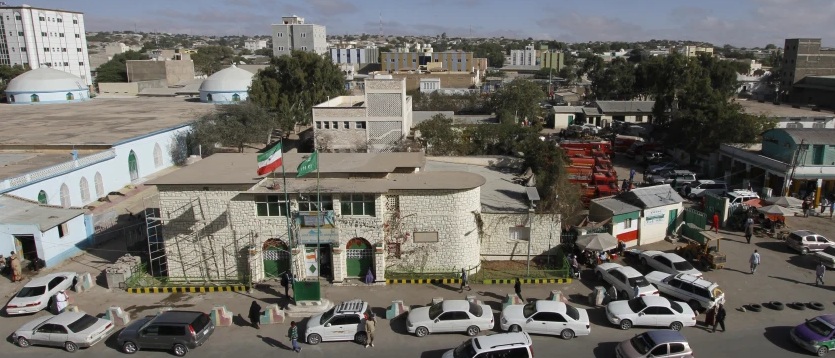
Cook challenges the argument that Somaliland’s recognition would violate Somalia’s territorial integrity. He notes that Somaliland joined Somalia in 1960 and declared the restoration of its independence in 1991 following years of conflict. Since then, he argues, Somaliland has operated largely independently and developed its own political institutions.
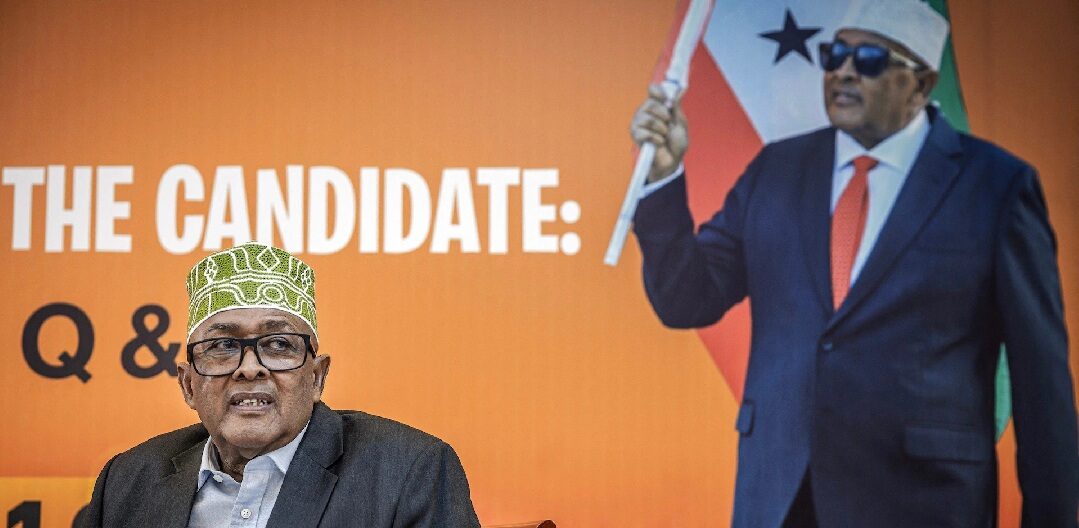
The article also highlights Somaliland’s political record. Cook points to the peaceful transfer of power following the 2024 presidential election, when opposition candidate Abdirahman Mohamed Abdullahi “Irro” defeated the incumbent and assumed the presidency.
At the same time, Cook acknowledges that Somaliland faces internal challenges, including concerns over civil liberties and political tensions in parts of the east. He argues, however, that these problems do not erase what he describes as Somaliland’s relative stability compared with the wider security challenges facing Somalia.
The strongest argument in the Foreign Policy analysis is geographic.
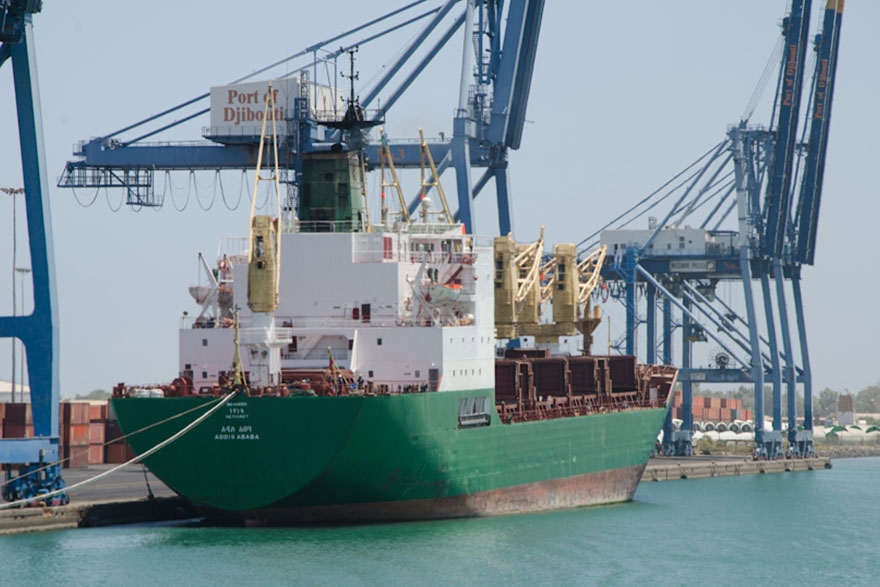
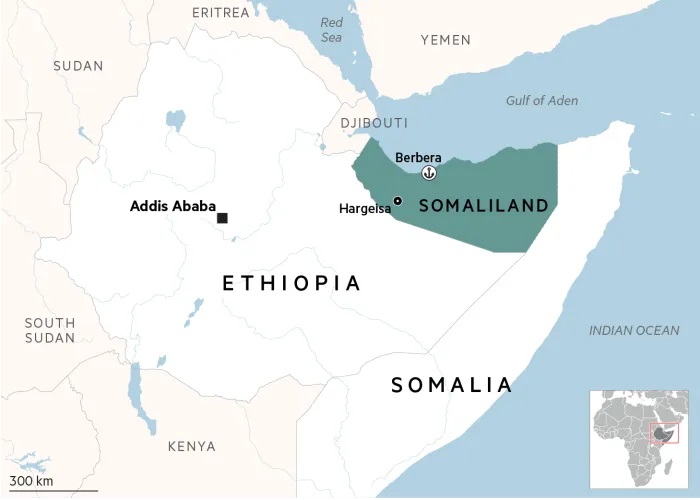
Somaliland occupies a strategic position along the Gulf of Aden, opposite Yemen and close to one of the world’s most important maritime corridors. Cook argues that the territory’s location, combined with the modernization of Berbera port and its large adjacent airstrip, could make Somaliland an important partner for Washington.
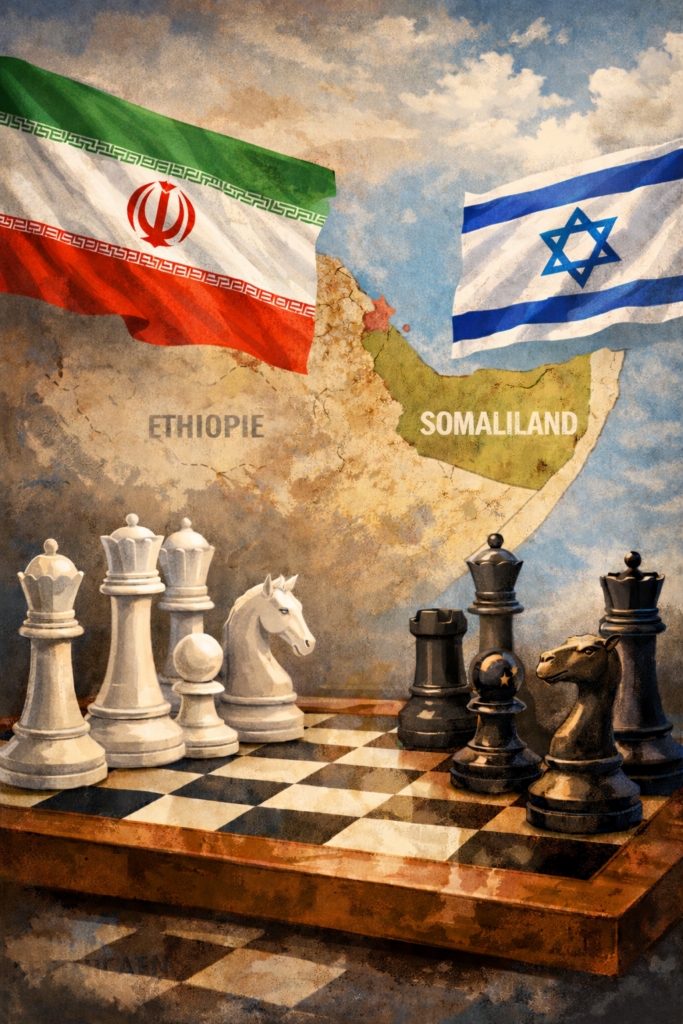
The article places this argument within the broader confrontation involving Iran and the Houthi movement in Yemen. Cook notes that attacks by Iran-backed Houthis have threatened shipping through the Red Sea, making the security of the maritime corridor an increasingly important American concern.
From this perspective, Cook argues that Somaliland could provide Washington with a potentially valuable platform from which to monitor developments around the Gulf of Aden and Red Sea and, if necessary, respond to threats posed by the Houthis and Iran’s Islamic Revolutionary Guard Corps.
The author also notes that Somaliland has sought closer relations with the United States and has expressed interest in cooperation involving security, investment and access to strategic infrastructure. Somaliland’s relationships with Israel, Ethiopia and the United Arab Emirates are presented as additional factors that could fit into a broader U.S. regional strategy.
Recognition, however, would not come without diplomatic costs.
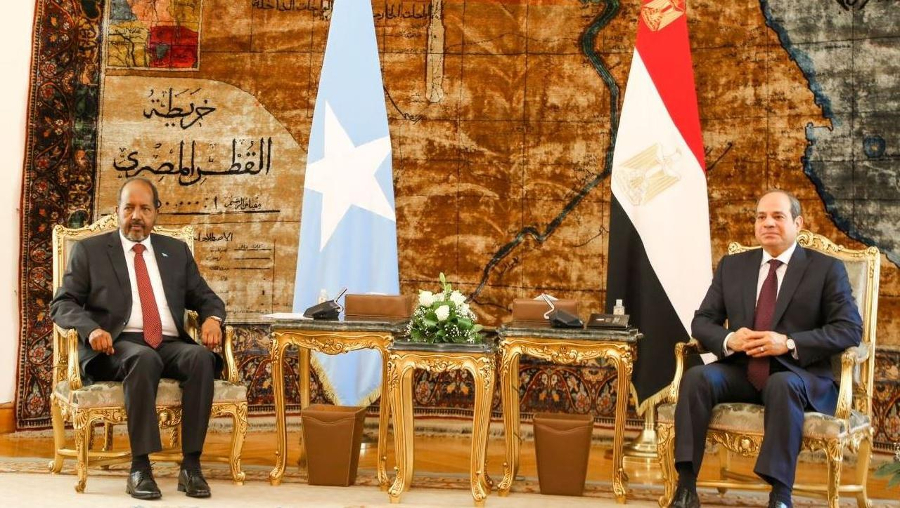
Cook acknowledges that recognizing Somaliland would likely anger several U.S. partners, particularly Turkey, Egypt and Saudi Arabia, as well as other governments that have opposed Somaliland’s independence.
He argues that these countries should not effectively possess a veto over U.S. foreign policy. In his assessment, American interests in countering Iranian influence, confronting the Houthis and protecting freedom of navigation are more strategically important than accommodating the regional objections of Washington’s partners.
The article also argues that the opposition to Somaliland’s recognition is driven substantially by geopolitics rather than a consistent application of the principle of territorial integrity. Cook points to differing positions taken by regional powers toward other disputed or breakaway territories as evidence of this inconsistency.
Cook ultimately presents Somaliland as an opportunity for Washington at a time when American strategic options in the Horn of Africa and Middle East are increasingly important.
He argues that Somaliland has something to offer the United States: a strategically located territory, functioning political institutions, a government seeking closer relations with Washington and infrastructure capable of supporting broader economic and security cooperation.
The Foreign Policy article therefore calls for Washington to abandon what Cook describes as the “pretense” of maintaining Somalia’s territorial integrity and instead recognize Somaliland based on American interests.
The significance of the article goes beyond its recommendation. Foreign Policy is presenting Somaliland’s recognition not simply as a question of self-determination, but as a strategic calculation for the United States.
Cook’s argument reflects a growing debate in Washington over whether Somaliland’s location on the Gulf of Aden, its relationship with Israel and the UAE, and its proximity to the Houthi threat could make Hargeisa a more valuable American partner.
For Somaliland, the argument is particularly significant because it shifts the recognition debate from whether Somaliland should be recognized to what the United States could gain by recognizing it. If that strategic argument gains greater support in Washington, Somaliland’s longstanding diplomatic campaign could increasingly become part of a broader American strategy for the Red Sea and Horn of Africa.
Categories: Latest News