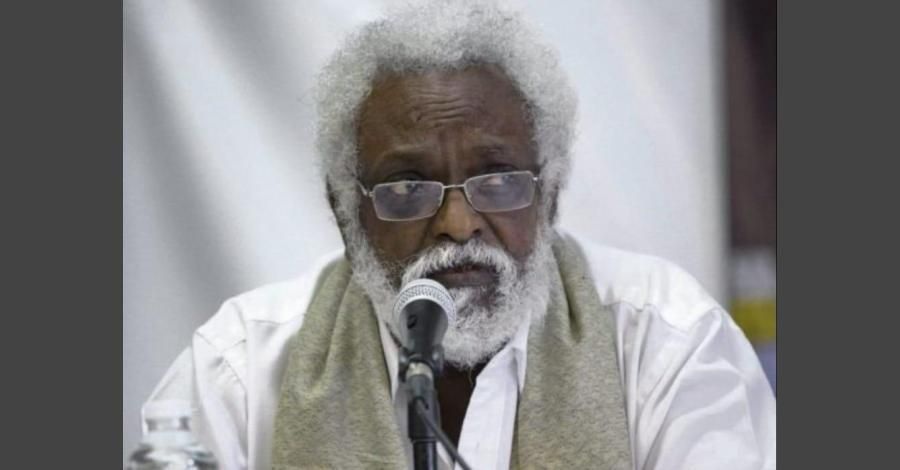
MOGADISHU (SD) – High-level political talks opened in Mogadishu on Tuesday between the Federal Government of Somalia and the opposition-aligned Future Council, in what is being viewed as a significant effort to address the country’s electoral process, constitutional disputes, and broader political transition.
According to sources familiar with the discussions, the closed-door meeting is being held without media access and includes the participation of international mediators, including representatives from Turkey, Western diplomatic missions, the European Union, and the United Nations.
The involvement of international partners reflects growing external efforts to encourage dialogue and help facilitate a political agreement on key national issues.
The agenda reportedly focuses on the future electoral model, constitutional disagreements, and arrangements for Somalia’s political transition.
The talks come amid heightened political tensions and increasing domestic and international calls for an inclusive political settlement involving all major stakeholders.
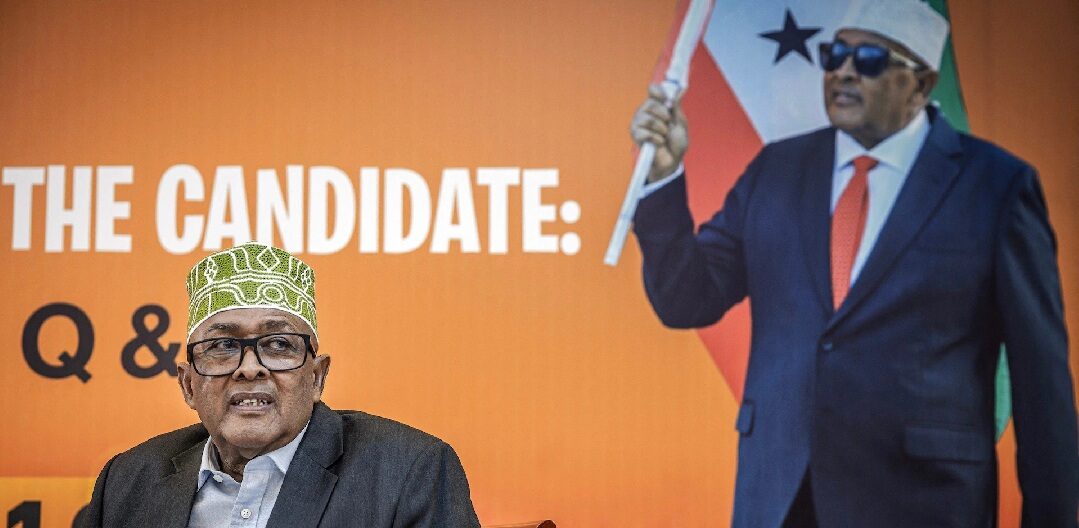
The Future Council, which includes representatives associated with Puntland, Jubaland, and the National Salvation Forum, is participating as a unified political bloc advocating for broader consultation and consensus on the country’s future political direction.
International participation is widely viewed as an effort to encourage implementation of any agreements reached and to support continued dialogue between the parties.
Observers say the meeting represents one of the most important political engagements in recent years, with its outcome expected to influence Somalia’s electoral roadmap, constitutional process, and overall political stability.
The direct involvement of Turkey, the European Union, the United Nations, and Western partners highlights growing international concern over Somalia’s political impasse. Their participation suggests increasing emphasis on achieving an inclusive political agreement rather than allowing disputes over elections and constitutional reforms to deepen. If the talks produce meaningful compromises, they could help reduce political tensions and provide a more broadly accepted framework for Somalia’s next political phase. However, the durability of any agreement will ultimately depend on the willingness of all Somali stakeholders to implement its provisions.
Categories: Latest News