
ADDIS ABABA (SD) – The Ethiopian Institute of Foreign Affairs (IFA) has published a new report arguing that the international discussion surrounding Somaliland is evolving beyond the traditional question of formal diplomatic recognition toward what it describes as “operational recognition.”
According to the institute, Somaliland’s growing international relevance is increasingly being measured by its practical partnerships rather than solely by formal diplomatic recognition. The report states that operational recognition is built on tangible cooperation in areas such as security, trade, infrastructure, maritime safety, and strategic regional interests.
The institute argued that the central question is no longer simply which countries recognize Somaliland, but rather which countries see value in working with Somaliland.
The report highlights the changing security dynamics in the Red Sea, noting that threats to international shipping, attacks on commercial vessels, and increasing geopolitical competition have elevated the importance of stable coastal territories near the Bab al-Mandab Strait.
According to the institute, Somaliland’s strategic location has transformed it into an increasingly important partner for maritime security, regional connectivity, and international commerce.
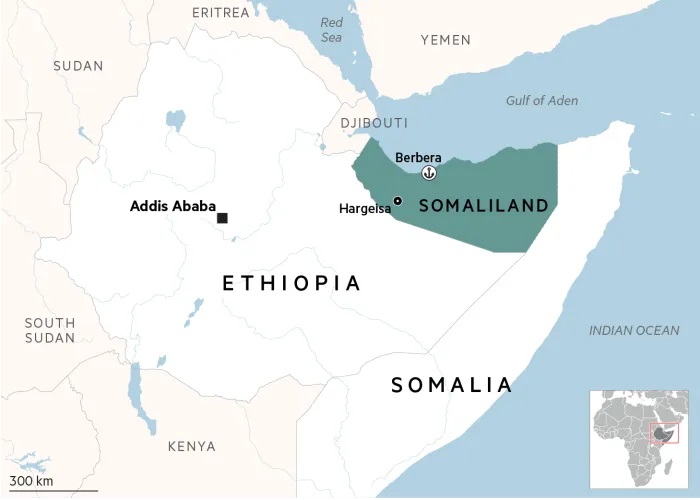
The report specifically emphasizes the growing significance of the Port of Berbera, describing it as more than a commercial port. It argues that Berbera has become a strategic hub where maritime security, regional logistics, and global trade intersect.
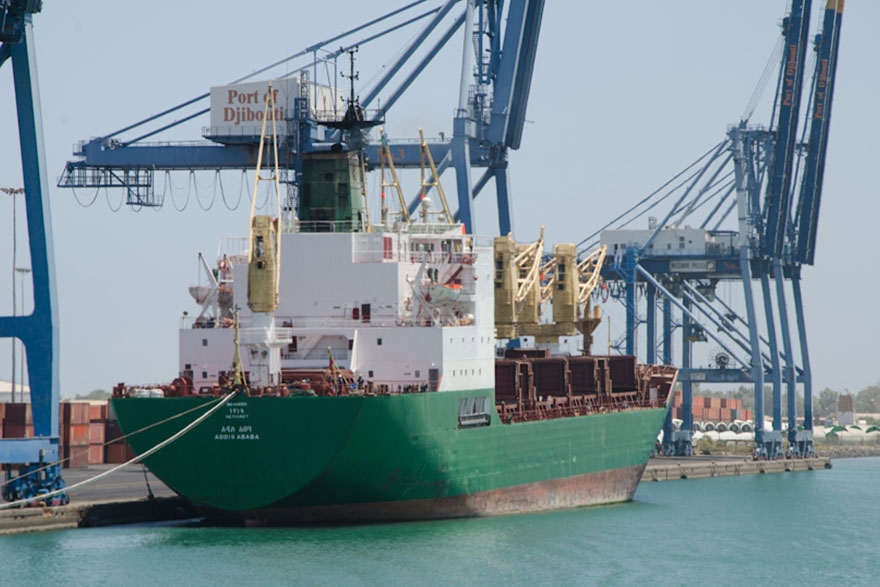
The institute also notes that Ethiopia’s long-standing dependence on the Port of Djibouti has increased the importance of Berbera as an alternative trade corridor capable of strengthening regional economic integration.
According to the report, operational recognition occurs when countries and international organizations engage directly with Somaliland through investments, trade agreements, maritime security cooperation, and expanding political engagement, regardless of whether formal diplomatic recognition has been granted.
The institute concludes that Somaliland is increasingly becoming part of the strategic calculations of countries concerned with Red Sea security and international trade, arguing that its future role will be shaped by its contribution to regional security and economic connectivity.
The report reinforces Somaliland’s long-held position that practical engagement can be as significant as formal diplomatic recognition. As more governments and international partners cooperate with Somaliland on security, trade, infrastructure, and maritime affairs, its international profile continues to grow. From Somaliland’s perspective, these expanding partnerships demonstrate that its strategic value, stable governance, and reliable institutions are driving increased international engagement, strengthening its case that recognition is gradually being built through real-world cooperation and shared interests.
Categories: Latest News


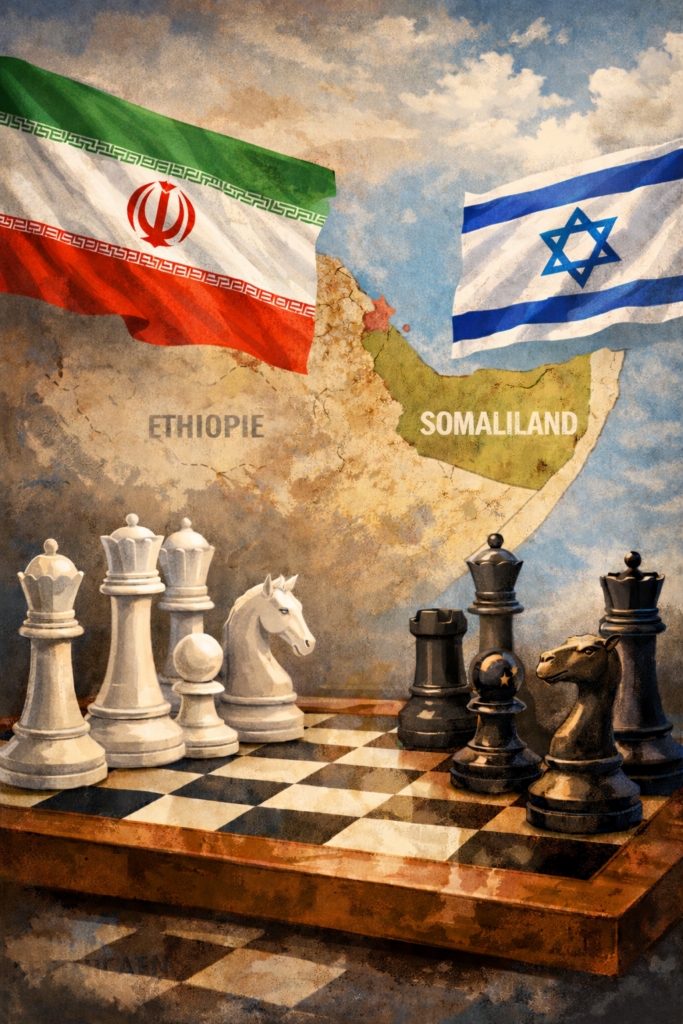







Instability because of the US-Iran war unfolding that has negatively impacted on trade movement through the strait of Hormuz call the international comunity explore an alternative trade route, with a prospensity of easing the tension that affected both rich and countries alike. As the report highlight Berbbera port with a closer proximity to BAB-AL-MANDAB strait tend to offer, an alternative to gridlock impacting worldwide. In a response to its international obligation, the Somaliland government has allowed and facilated Berbera port to all . But conditional to recognise Somaliland as an independent sovereign country.