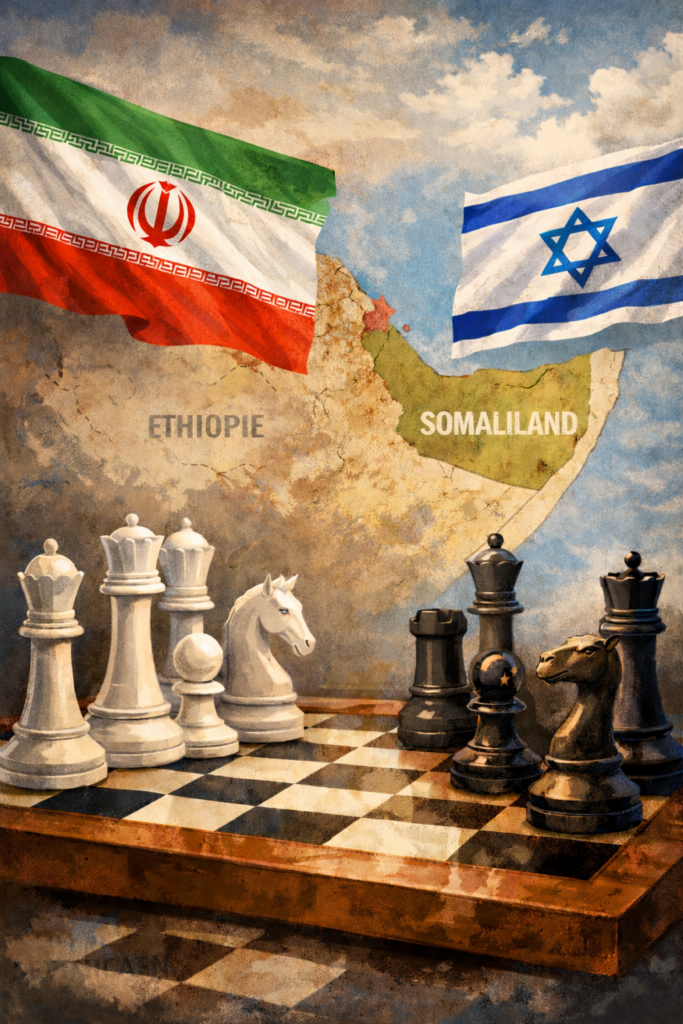
JERUSALEM (SD) — Israeli Prime Minister Benjamin Netanyahu has presented a map illustrating competing political and security alignments across the Middle East and the Horn of Africa, placing Somaliland and Puntland in a different category from Somalia’s federal government and the Northeastern administration.
The map, displayed behind Netanyahu as he discussed Israel’s national security and regional alliances, uses light blue to identify territories described as friendly to Israel and the United Arab Emirates (UAE). Somaliland and Puntland appear in this category. Somalia and the Northeastern administration are shown in light green, associated with a grouping labelled the “Sunni Diamond,” comprising Turkey, Egypt, Saudi Arabia and Pakistan.
The map is based on a political analysis by Marc Saxer and Marcus Schneider published by the Friedrich-Ebert-Stiftung in May 2026. It should therefore be understood as an analytical representation of regional alignments, rather than a legal document or proof that every entity shown has entered into a formal alliance with Israel or the UAE.
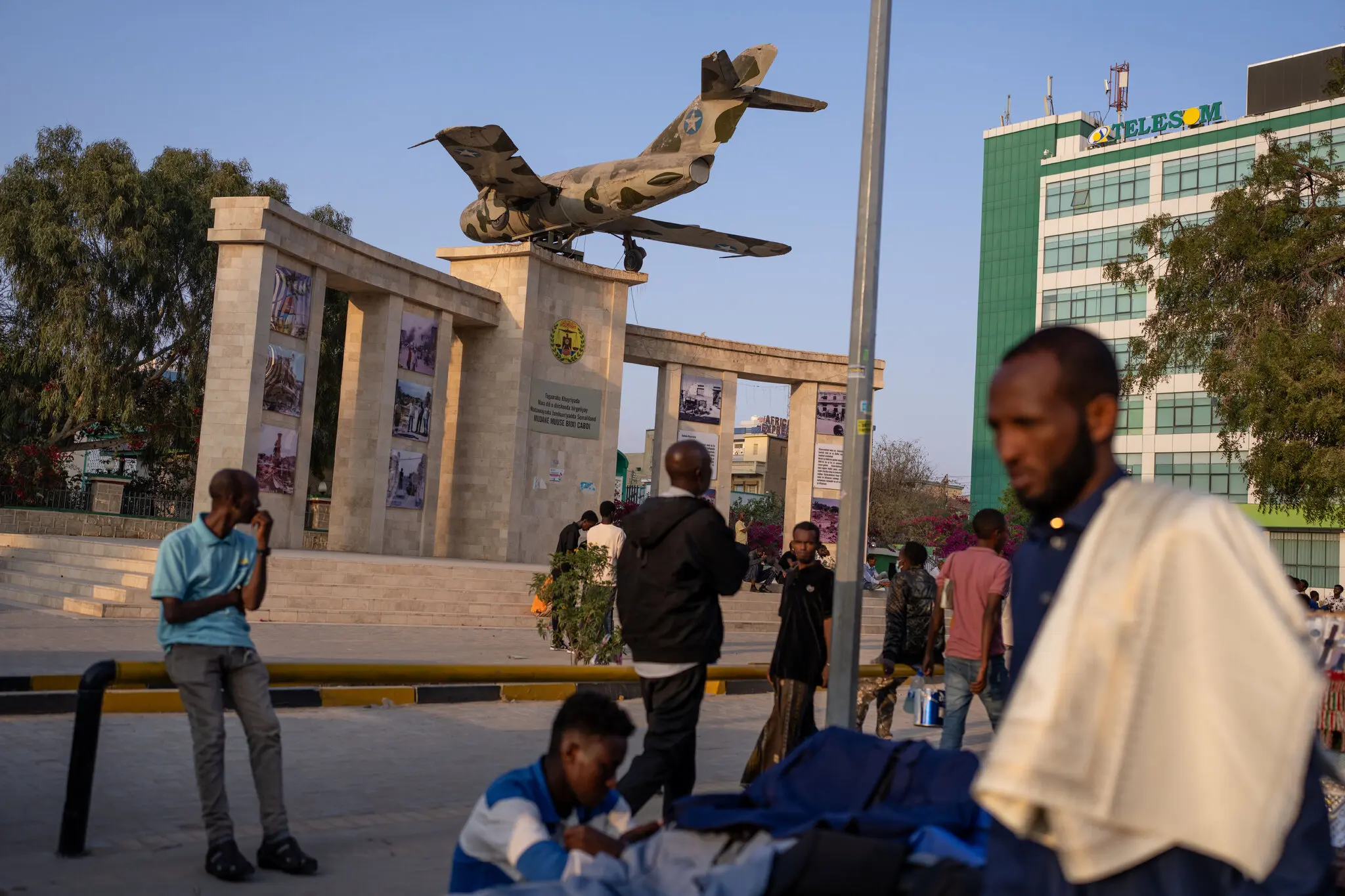
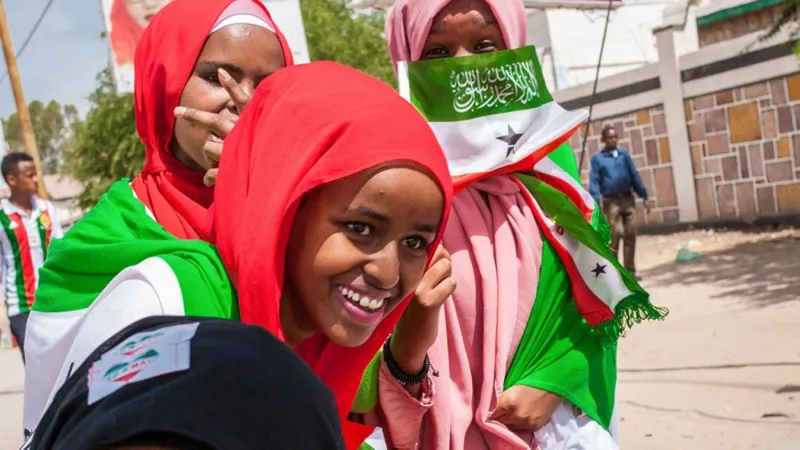
Somaliland’s appearance in the light-blue category comes amid growing diplomatic attention following Israel’s recognition of Somaliland’s independence on December 26, 2025. Somaliland has long sought international recognition since restoring its independence in 1991, while Somalia’s federal government rejects the move and maintains that Somaliland remains part of its sovereign territory.
The map also highlights Puntland’s relationship with the UAE. The Gulf state has developed significant economic and security interests in Puntland, including its involvement in the development and operation of Bosaso port, as well as cooperation in security and military training. These ties have contributed to the UAE’s strategic presence along Somalia’s northern coastline.
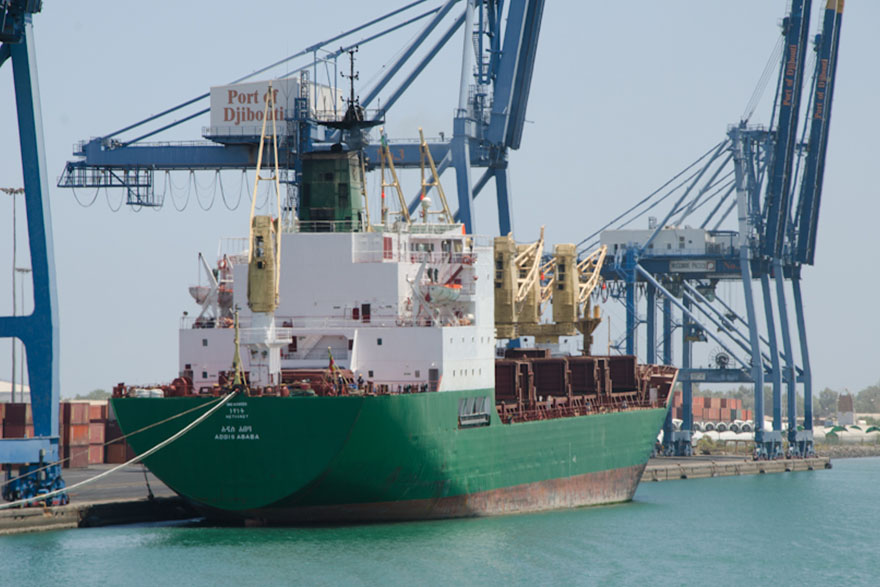
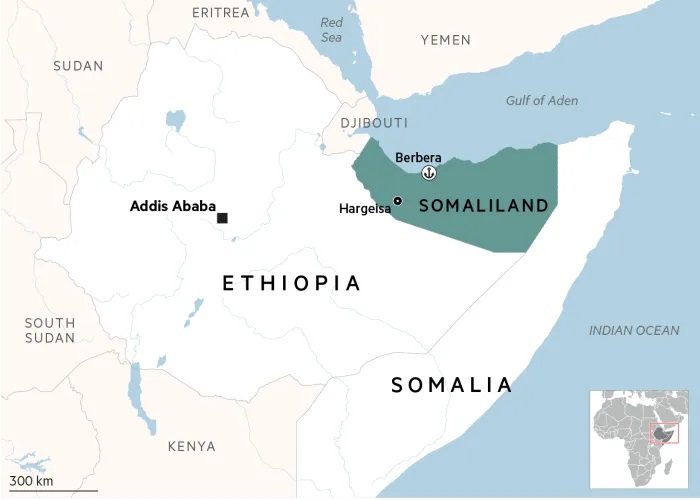
In Somaliland, the UAE’s interests are closely associated with Berbera port, where DP World has invested in port infrastructure and development. Berbera’s position on the Gulf of Aden gives it potential importance for international trade, maritime security and access to shipping routes linking the Red Sea with the Indian Ocean.
The map’s classification of Somaliland and Puntland alongside Israel and the UAE, while placing Somalia’s federal government and the Northeastern administration in a separate grouping, could attract attention amid disputes over territorial authority and foreign relations. However, the map alone does not establish that Puntland has entered into a formal agreement with Israel or that all the entities shown share a common foreign policy.
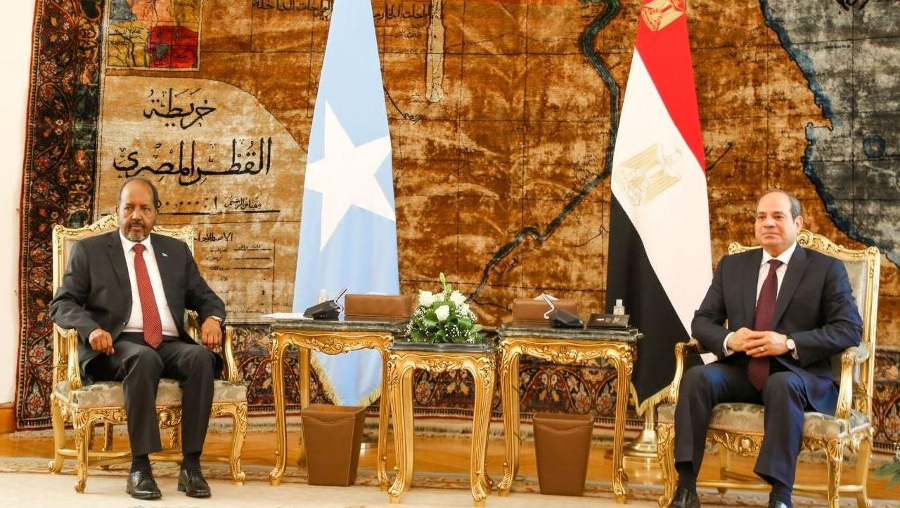
The “Sunni Diamond” label groups Turkey, Egypt, Saudi Arabia and Pakistan. Those countries have differing interests across the Middle East and Horn of Africa. Turkey maintains extensive security and economic ties with Somalia’s federal government; Egypt is engaged in regional security competition with Ethiopia and disputes over Nile water arrangements; Saudi Arabia has significant interests in Red Sea security; and Pakistan maintains diplomatic and security relationships across the wider Muslim world. Their appearance under a common label does not, by itself, demonstrate the existence of a unified military alliance.
The map also touches on sensitive territorial questions in northern Somalia, particularly in Sool, Sanag and Ayn. Somaliland claims the borders of the former British Somaliland protectorate, while political authorities and communities in the disputed areas have differing positions on governance and territorial affiliation. The map does not settle these disputes or change the legal status of the territories.
The wider strategic context is the Horn of Africa’s location near the Bab al-Mandab Strait, a key maritime passage connecting the Red Sea with the Gulf of Aden and the Indian Ocean. Israel and the UAE have interests in regional shipping security, while Turkey, Egypt and other regional powers seek to protect their own commercial, security and diplomatic priorities.
Netanyahu’s presentation draws attention to the growing strategic importance of the Horn of Africa and the competing relationships that connect its coastal territories to Middle Eastern powers. The map’s separate treatment of Somaliland and Puntland, on one hand, and Somalia’s federal government and the Northeastern administration, on the other, reflects the analysis’s interpretation of regional alignments. It should not be treated as an official declaration of the legal status of those territories.
For Somaliland, its placement alongside Israel and the UAE is consistent with the strategic importance it attaches to its recognition by Israel, its relationship with the UAE and the potential of Berbera port. However, the practical significance of the map depends on actual diplomatic decisions, agreements and cooperation rather than color classifications alone.
For Somalia’s federal government, the map may reinforce concerns about foreign relationships involving regional administrations outside Mogadishu’s direct control. Puntland’s and Somaliland’s external ties also illustrate the broader challenge of reconciling regional economic and security partnerships with Somalia’s competing claims to sovereignty and authority over foreign affairs.
Ultimately, the map offers a snapshot of how analysts frame regional competition. It does not prove the existence of a formal Israel-UAE alliance with Puntland or a unified “Sunni Diamond” bloc against it. The implications will depend on the policies and agreements pursued by the states and administrations involved.
Categories: Latest News