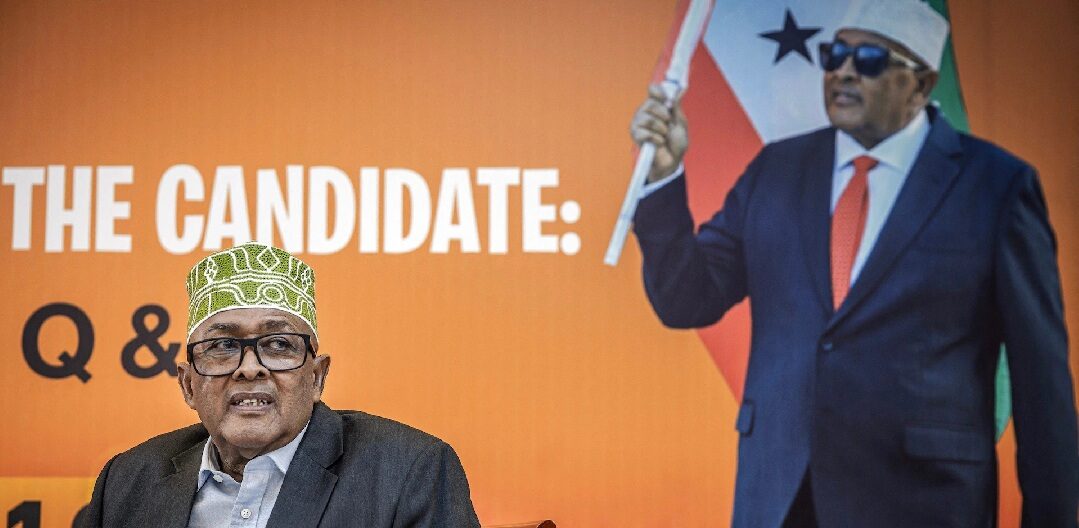
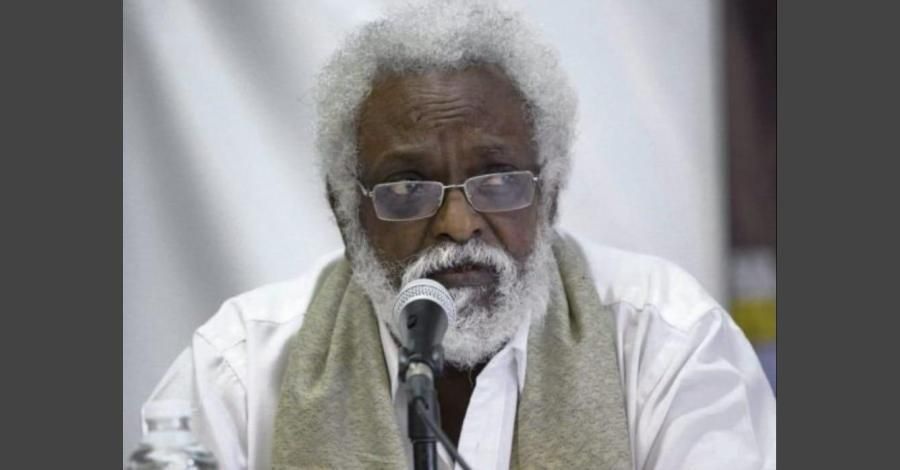
MOGADISHU (SD)— Somali parliamentary Speaker Abdulkadir Mohamed Nur has questioned the role of Ethiopian troops serving in Somalia’s peacekeeping and security operations after forces loyal to former South West State President Abdiasis Laftagareen reportedly took control of areas where Ethiopian troops had been operating.
The developments have raised questions about the effectiveness of security arrangements in the conflict-affected areas and the ability of international forces to help maintain stability amid escalating political tensions in South West State.
The Federal Government of Somalia and the South West State administration have accused militias loyal to Laftagareen of cooperating with Al-Shabaab, the armed group fighting the Somali government. The allegations have heightened concerns over the security situation, although independent confirmation of the alleged links was not provided in the available account.
Speaker Abdulkadir also accused Kenya of providing Laftagareen with shelter and security protection despite the federal government reportedly placing him on a blacklist. He called on Somali authorities to take action over what he described as a threat to the country’s security and sovereignty.
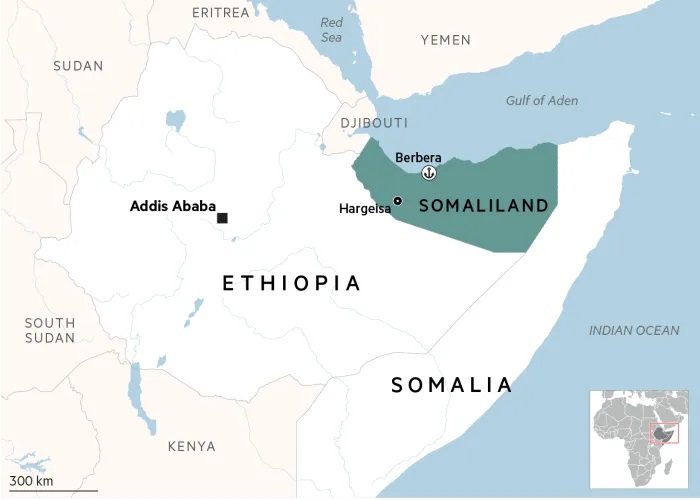
Somali security officials have separately accused Ethiopia and Kenya of undermining Somalia’s sovereignty and training armed groups in areas near their shared borders. The allegations come amid strained relations between Mogadishu and its neighbours over security cooperation and political developments in Somalia. The claims have not been independently established in the information provided.
“We cannot accept that terrorists take over areas where peacekeeping forces are present,” Abdulkadir said, according to the account of his remarks.
The controversy comes as Somalia continues to confront Al-Shabaab while managing political divisions between the federal government and regional authorities. Ethiopia has maintained a military role in Somalia through security operations and participation in regional efforts against the militant group, making the status and conduct of its forces a sensitive issue for Mogadishu.
The Speaker’s remarks highlight growing concerns about the relationship between Somalia’s political disputes and its security arrangements. If armed groups can take control of areas previously covered by security forces, questions may arise over coordination, intelligence-sharing and the effectiveness of existing deployments.
The allegations against Laftagareen’s supporters, Ethiopia and Kenya are politically significant but require independent verification. Distinguishing between documented military developments and accusations by political actors will be essential to assessing responsibility and the potential implications for regional security.
The dispute also reflects the difficulty Somalia faces in balancing cooperation with neighbouring countries against concerns over sovereignty and political interference. Ethiopia and Kenya have both played roles in regional security efforts, but tensions over their alleged support for local actors could complicate relations with Mogadishu.
Ultimately, the priority remains preventing Al-Shabaab from exploiting political divisions, protecting civilians and ensuring that all forces operating in Somalia comply with agreed security arrangements. Clear communication between the federal government, regional administrations and international partners will be important in reducing the risk of further escalation.
Categories: Latest News