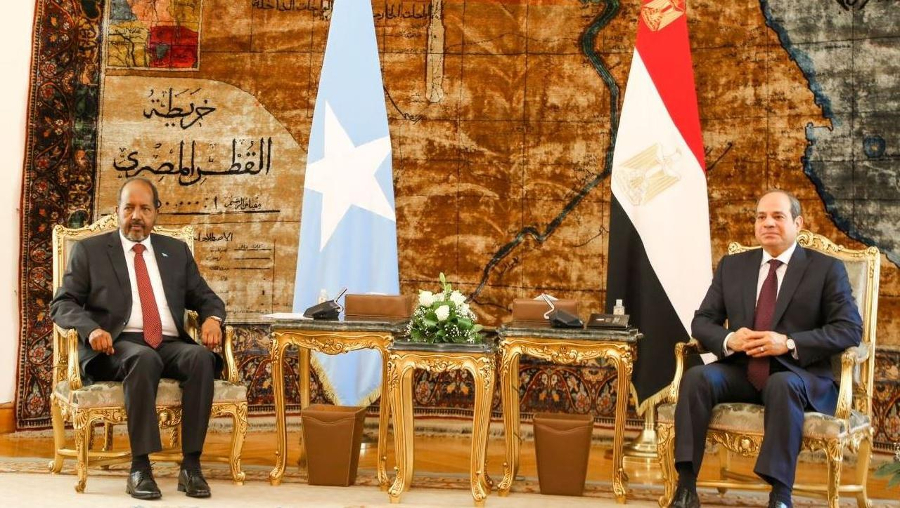
HARGEISA (SD) – Somali President Hassan Sheikh Mohamud used the opening of the 8th session of Somalia’s Federal Parliament to reaffirm Mogadishu’s long-standing claim over Somaliland, while again calling for dialogue aimed at what he described as “unity and consensus.”
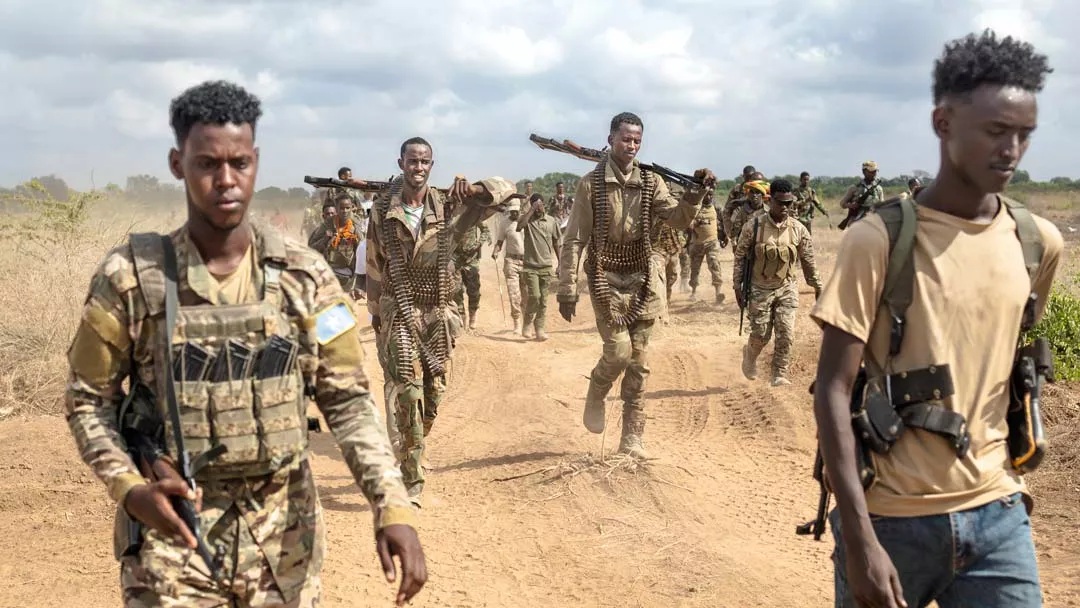
Speaking before a joint session of Somalia’s Parliament in Mogadishu, Hassan Sheikh outlined his government’s priorities on security, elections, constitutional amendments and foreign policy. He announced plans to intensify military operations against Al-Shabaab and defended his administration’s push to implement a one-person, one-vote electoral system across Somalia.
The Somali President also insisted that Somalia’s Federal Parliament remains the only legitimate institution authorized to amend the country’s constitution, as his government continues advancing constitutional changes opposed by several federal member states and opposition groups.
Addressing Somaliland, Hassan Sheikh said the Federal Government remains ready for dialogue but maintained that any discussions should lead toward preserving Somalia’s unity. He added that conflict was not the preferred option and reiterated Mogadishu’s position that political disputes should be resolved through negotiations.
The President also claimed that experts from Somaliland contributed to developing Somalia’s proposed electoral framework, presenting the process as one built on Somali expertise rather than external assistance.
The parliamentary session comes as Somalia continues to face political disputes over constitutional reform, elections, and relations between the Federal Government and several regional administrations.
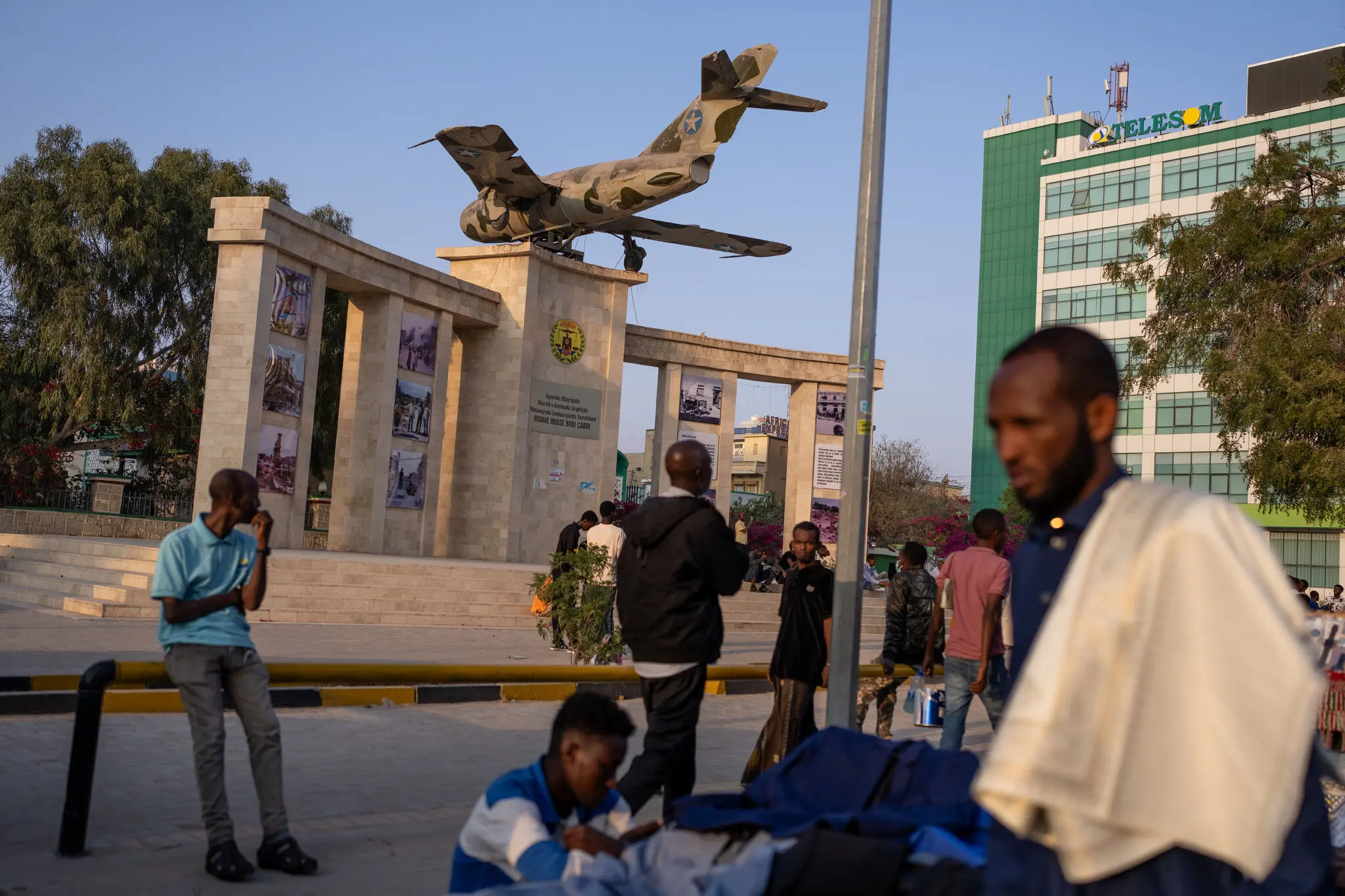
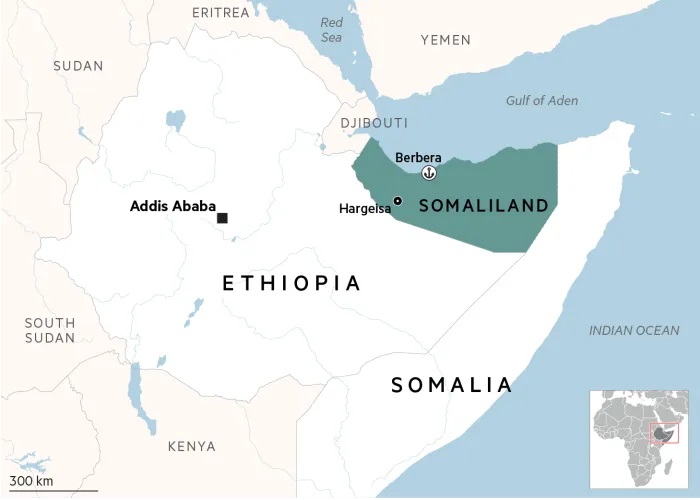
From Somaliland’s perspective, President Hassan Sheikh’s remarks reflect Mogadishu’s continued refusal to recognize Somaliland’s sovereignty, despite Somaliland having operated as a self-governing state since 1991, with its own government, constitution, security forces, judiciary, and democratic institutions.
While Hassan Sheikh framed dialogue as a path toward “unity,” Somaliland’s government has consistently maintained that any future talks can only take place between two separate political entities, not as negotiations within a single Somali state. Hargeisa argues that the question of restoring the 1960 union was settled when Somaliland reclaimed its independence following the collapse of the Somali Republic.
The President’s reference to Somaliland experts participating in Somalia’s electoral planning is also unlikely to influence Somaliland’s political position, where elections, constitutional governance, and state institutions operate independently of Mogadishu.
For many in Somaliland, the speech demonstrates that the core divide remains unchanged: Mogadishu continues to pursue reunification under a single Somali state, while Somaliland’s leadership continues to seek broader international recognition of what it regards as its already existing independence. Until either position shifts, prospects for a comprehensive political settlement are likely to remain limited.
Categories: Latest News