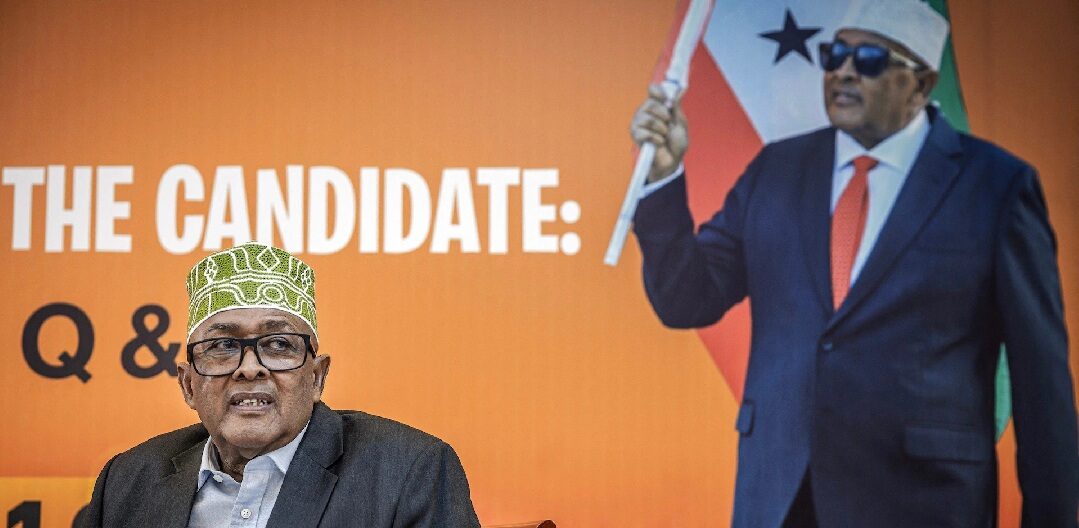
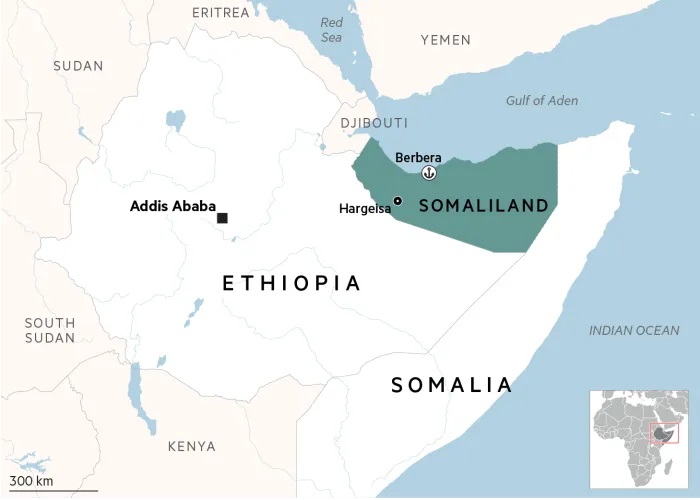
NAIROBI (SD) – Somaliland President Abdirahman Mohamed Abdillahi (Irro) has accused Somalia’s Federal Government of abandoning key agreements reached during years of talks between Hargeisa and Mogadishu, while reaffirming his government’s commitment to resolving the Las Anod conflict through dialogue and reconciliation.
Speaking in Nairobi following discussions with international representatives, Irro said Somaliland remains committed to peace but argued that future negotiations must be based on mutual respect and implementation of agreements previously reached by the two sides.
The President said Mogadishu had also interfered in what Somaliland considers its internal political and administrative affairs, arguing that such actions risk further complicating efforts to resolve tensions in Sool and return the parties to meaningful dialogue.
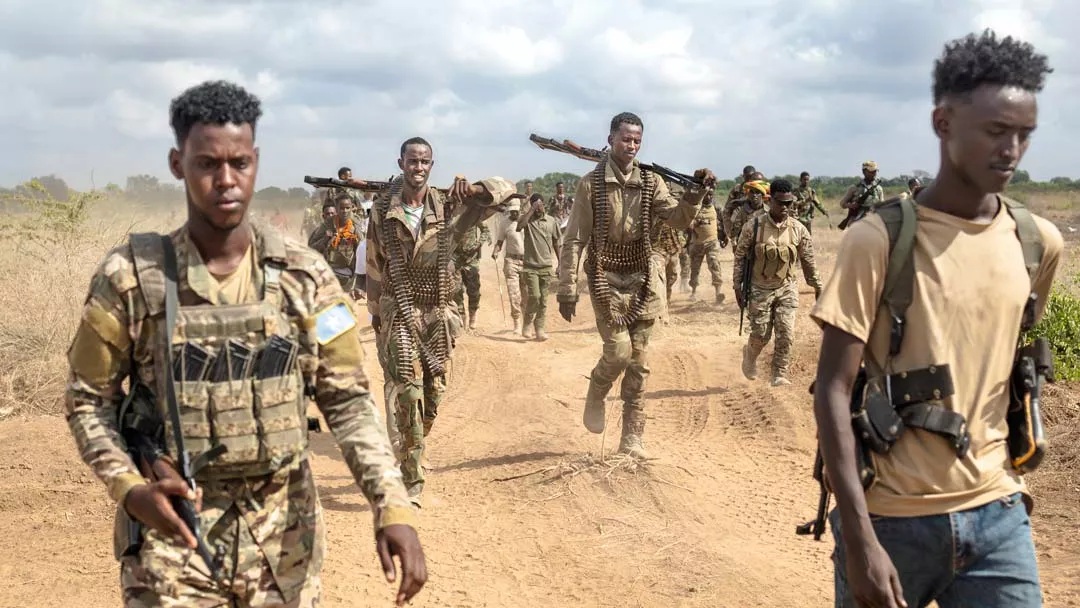
“Peace is the top priority of my government. We are pursuing a Somaliland-owned solution to the conflict in Las Anod, based on dialogue, reconciliation and consensus,” Irro said.
Irro pointed to the long-running Somaliland-Somalia dialogue, which has included meetings in Turkey and Djibouti covering issues such as security, aviation, economic cooperation and political relations. He argued that Somaliland entered these negotiations in good faith and paid a political price for participating.
According to the President, some agreements reached during the talks were later abandoned by Somalia. He specifically cited the management of Somali airspace as an example, saying the issue demonstrates the difficulty of ensuring that negotiated agreements are respected.
Irro urged the international community to go beyond simply bringing the two sides back to the negotiating table. He called for international partners to place greater emphasis on implementation of previous agreements.
“A lasting dialogue requires mutual respect and the respect of agreements,” he said.
President Irro’s remarks appear designed to establish a clear condition for any renewed Somaliland-Somalia dialogue: Hargeisa does not want negotiations to simply restart from zero.
From Somaliland’s perspective, the problem is not a lack of previous dialogue. The two sides have held negotiations for more than a decade, with several understandings reached on practical issues. The deeper problem, according to Hargeisa, has been the failure to implement those understandings and Mogadishu’s continued insistence that Somaliland is constitutionally part of Somalia.
President Irro’s emphasis on previous agreements therefore serves two purposes. First, it strengthens Somaliland’s argument that it has repeatedly demonstrated willingness to negotiate. Second, it puts pressure on international mediators to hold both sides accountable for commitments already made rather than treating the dispute as though no previous negotiations occurred.
His position on Las Anod is also significant. By emphasizing dialogue, reconciliation and a Somaliland-led political solution, Irro is presenting Hargeisa as seeking a political rather than military resolution to one of the most sensitive issues facing Somaliland. However, reaching such a settlement will require agreement over who represents the people of Sool and what political and administrative arrangements would follow.
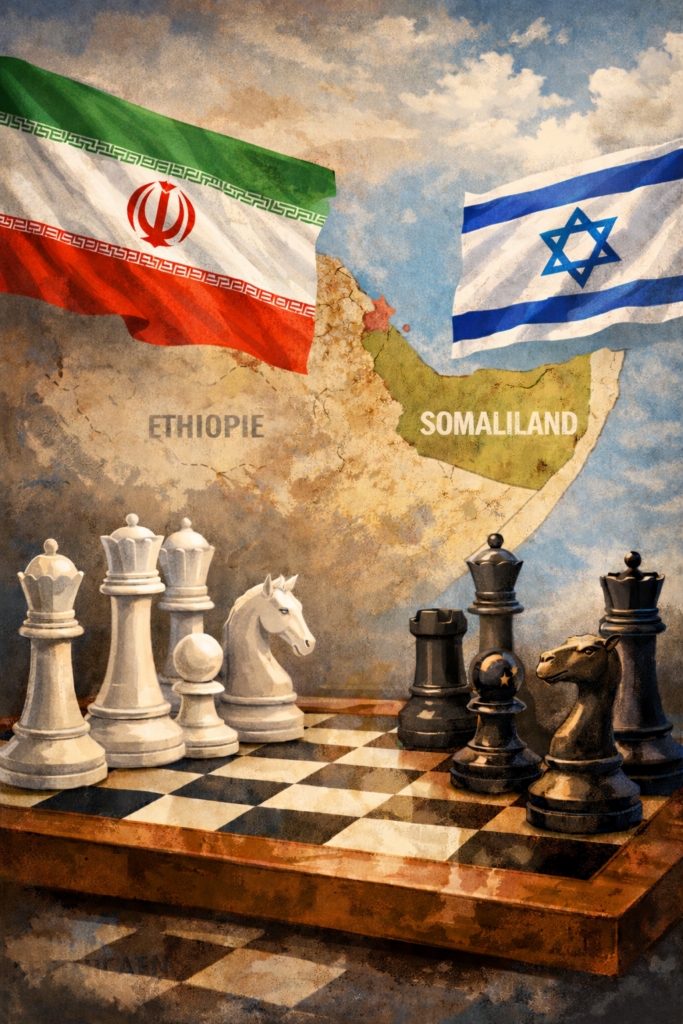
The biggest obstacle remains the fundamental disagreement over sovereignty. Mogadishu approaches the talks from the position that Somaliland is part of Somalia, while Hargeisa approaches them as a government representing an independent Somaliland. Unless the two sides can establish a mutually acceptable framework for discussing that fundamental dispute, agreements on secondary issues such as security, aviation and economic cooperation are unlikely to produce a permanent settlement.
For Somaliland, the president’s message is essentially that dialogue remains open, but dialogue must produce results. Hargeisa appears increasingly interested in negotiations that recognize its political reality, respect previously reached commitments, and address the Sool conflict through reconciliation rather than renewed confrontation.
Categories: Latest News