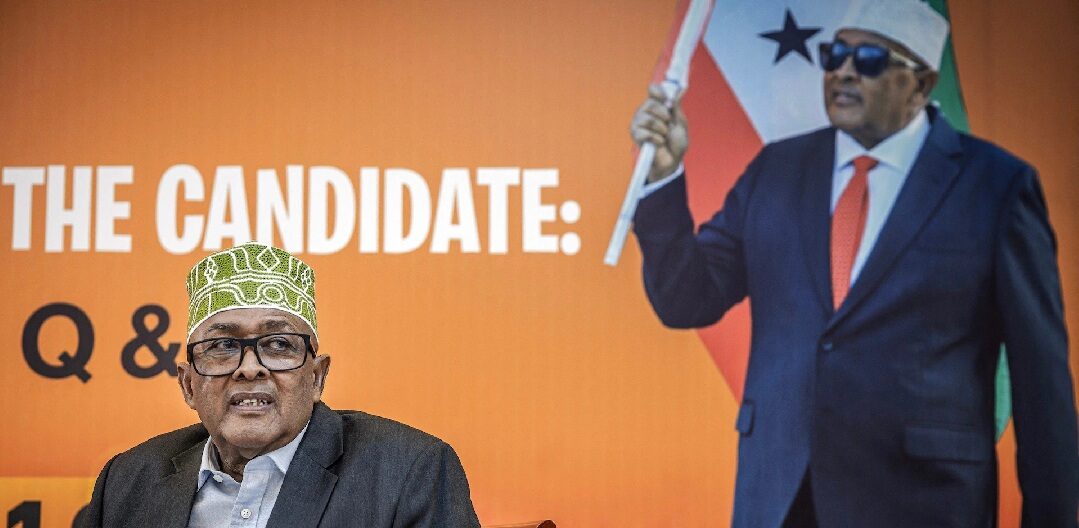
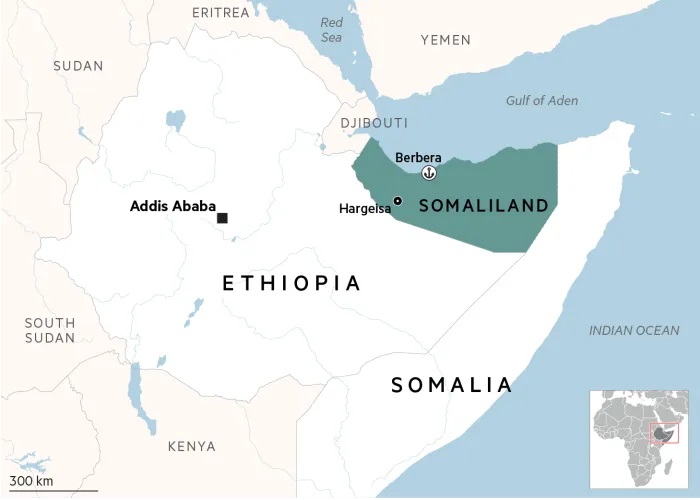
HARGEISA — Somaliland has called on Cyprus and Greece to reconsider their positions on Somaliland’s international recognition, following a controversial telephone conversation between Somalia’s newly appointed parliamentary speaker, Abdullahi Mohamed Nur, and the speaker of the Turkish-backed administration of Northern Cyprus.
According to Cyprus Mail, Somaliland said it stands with the Republic of Cyprus and Greece and expressed concern over what it described as “aggression by Somalia and Turkey.” Hargeisa also questioned the decision by Somalia’s parliamentary speaker to engage directly with Northern Cyprus.
Somaliland urged Cyprus and Greece to undertake what it called a “new strategic assessment” of Somaliland, arguing that recognition could create new opportunities for diplomatic, economic and security cooperation.
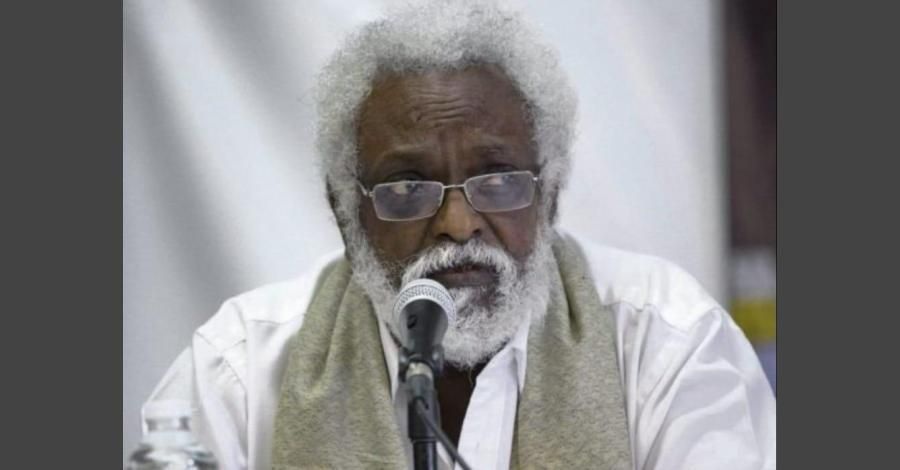
The controversy began after Nuur held a phone conversation with Ziya Öztürkler, Speaker of the Northern Cyprus parliament, who congratulated him on his recent appointment. Nuur subsequently thanked Öztürkler publicly on social media, although the post was later deleted.
Somalia’s Foreign Ministry subsequently reaffirmed that Mogadishu’s position on Cyprus remains unchanged, saying Somalia respects the sovereignty, independence, unity and territorial integrity of the Republic of Cyprus in accordance with international law and UN resolutions.
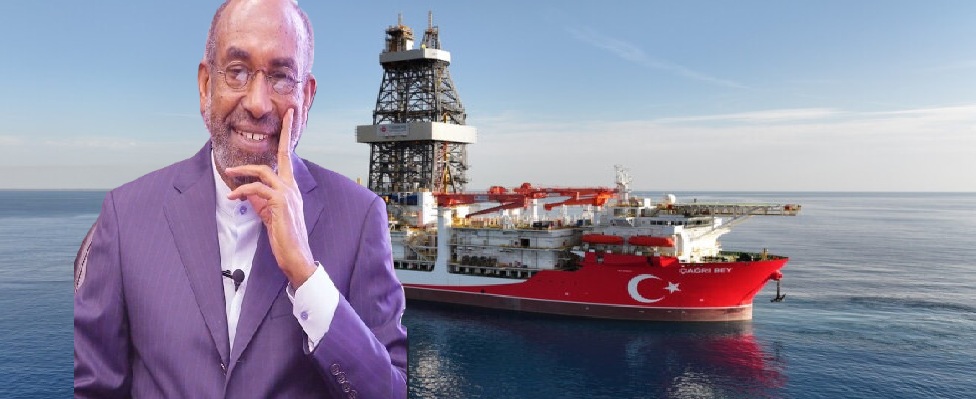
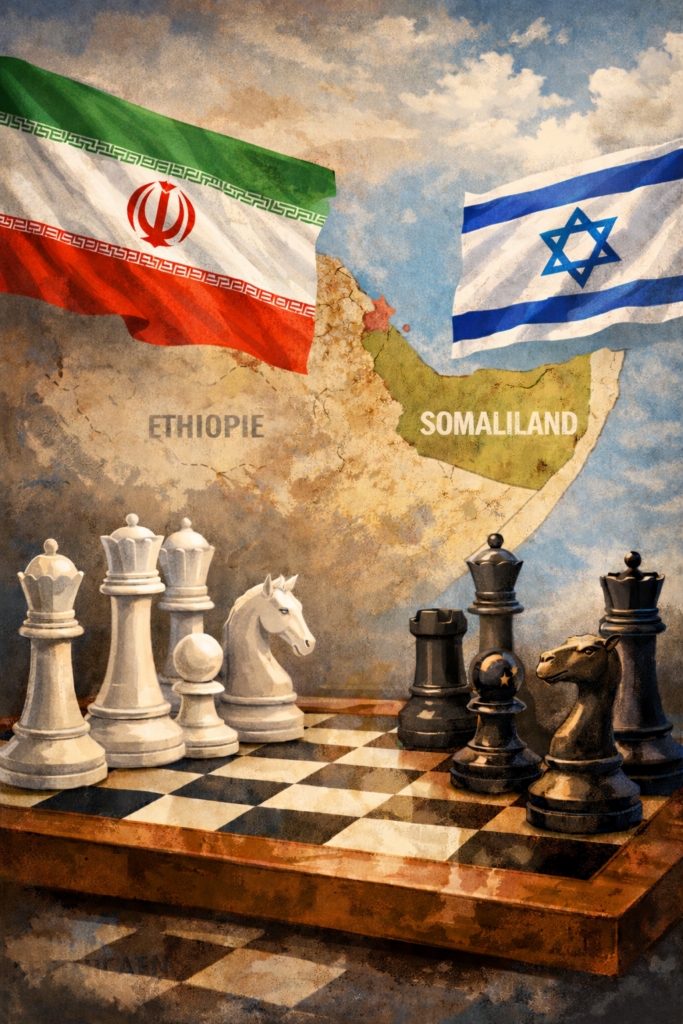
The dispute reflects a broader geopolitical competition involving Somaliland, Somalia, Turkey, Greece and Cyprus. Turkey has maintained close strategic ties with Mogadishu across security, education, healthcare, infrastructure and economic development. Ankara’s military presence in Somalia has also been extended to 2028.
For Somaliland, however, Somalia’s engagement with Northern Cyprus presents a diplomatic opportunity to challenge what Hargeisa sees as a contradiction in international policy: support for Cyprus’s territorial integrity while rejecting Somaliland’s claim to separate statehood.
Somaliland can argue that its own case should be examined independently, particularly because it has maintained separate institutions, security structures and political administration since 1991.
At the same time, Cyprus and Greece have strong incentives to maintain their existing position because both countries attach considerable importance to the principle of territorial integrity and have their own longstanding disputes involving Turkey.
Somaliland’s appeal to Athens and Nicosia is therefore unlikely to produce immediate recognition, but it represents a deliberate diplomatic strategy.
By highlighting Somalia’s contact with Northern Cyprus, Hargeisa is attempting to turn the issue of Cyprus into a wider discussion about reciprocity, territorial disputes and international recognition.
The argument may resonate politically in Greece and Cyprus, but there is an important obstacle: their governments are closely aligned with the EU position that Somalia’s territorial integrity should be respected. The EU has consistently encouraged dialogue between Mogadishu and Hargeisa rather than recognition of Somaliland.
The development nevertheless demonstrates how Somaliland is increasingly seeking to use regional geopolitical rivalries to advance its diplomatic case.
Following Israel’s recognition of Somaliland in December 2025, Hargeisa now faces the challenge of persuading additional governments to follow. Winning support from Greece or Cyprus would be diplomatically significant, but the stronger possibility in the short term may be increased political and economic engagement rather than immediate formal recognition.
Categories: Latest News