
HARGEISA (SD)— Somaliland is seeking to turn its strategic location on the Gulf of Aden into a major diplomatic and security advantage, offering itself as a reliable partner to countries seeking to protect one of the world’s most important maritime trade routes.
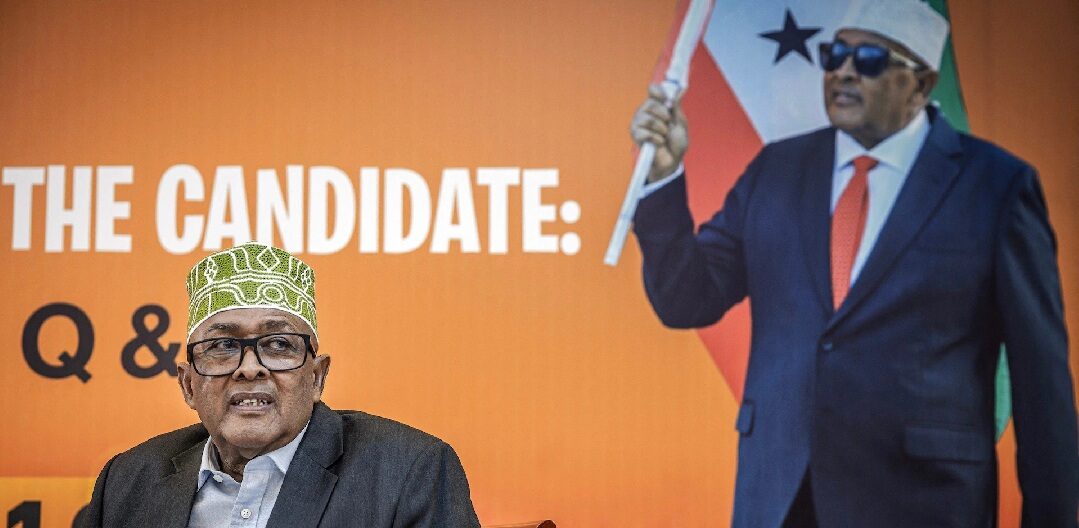
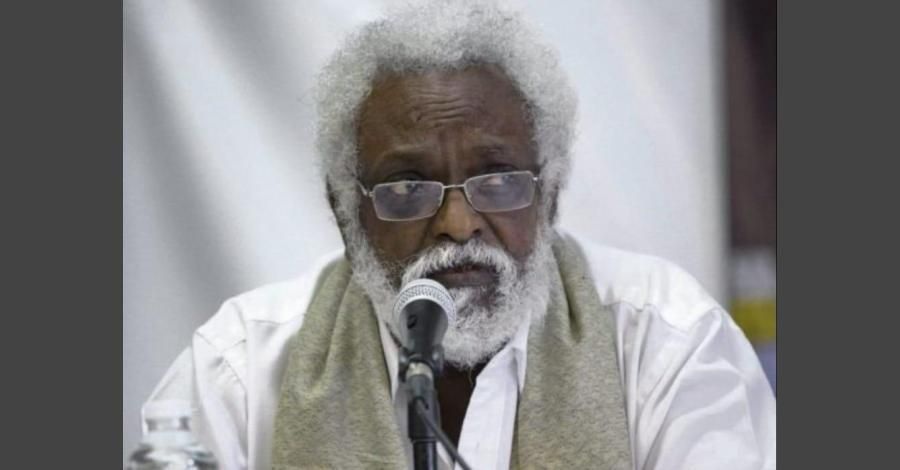
In a recent report titled “Somaliland wants to help secure the Red Sea,” The Economist highlights President Abdirahman Mohamed Abdullahi (Irro)’s efforts to draw greater international attention to Somaliland and its potential role in regional maritime security. The report also links Somaliland’s security ambitions to its long-standing campaign for wider international recognition.
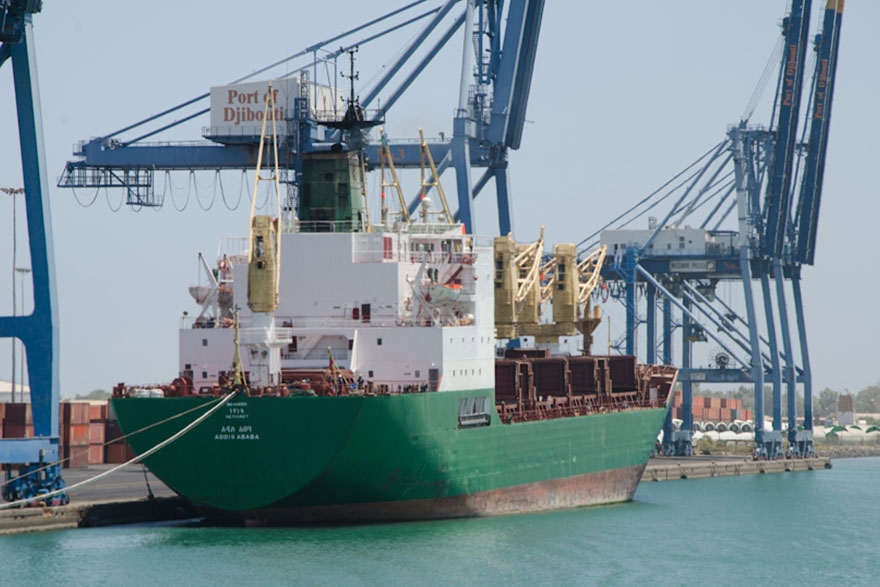
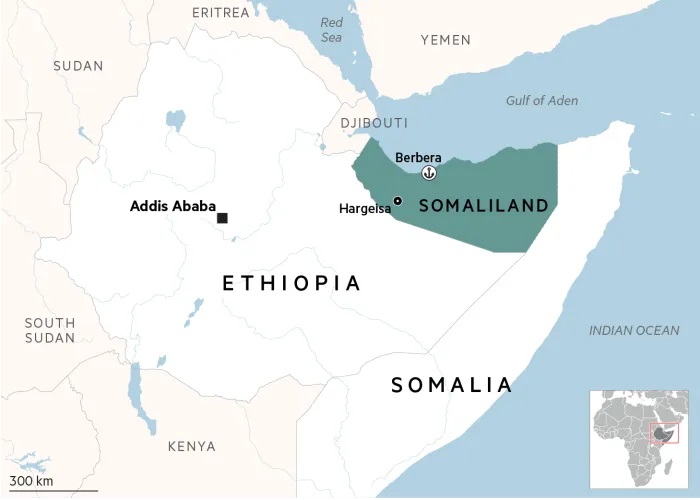
At the heart of Somaliland’s strategic argument is its long coastline, the Port of Berbera and its proximity to the Bab al-Mandab Strait, the narrow maritime gateway connecting the Gulf of Aden with the Red Sea and the Suez Canal.
For Hargeisa, the growing insecurity in the Red Sea has created an opportunity to demonstrate that Somaliland can contribute to international security rather than simply request political recognition.
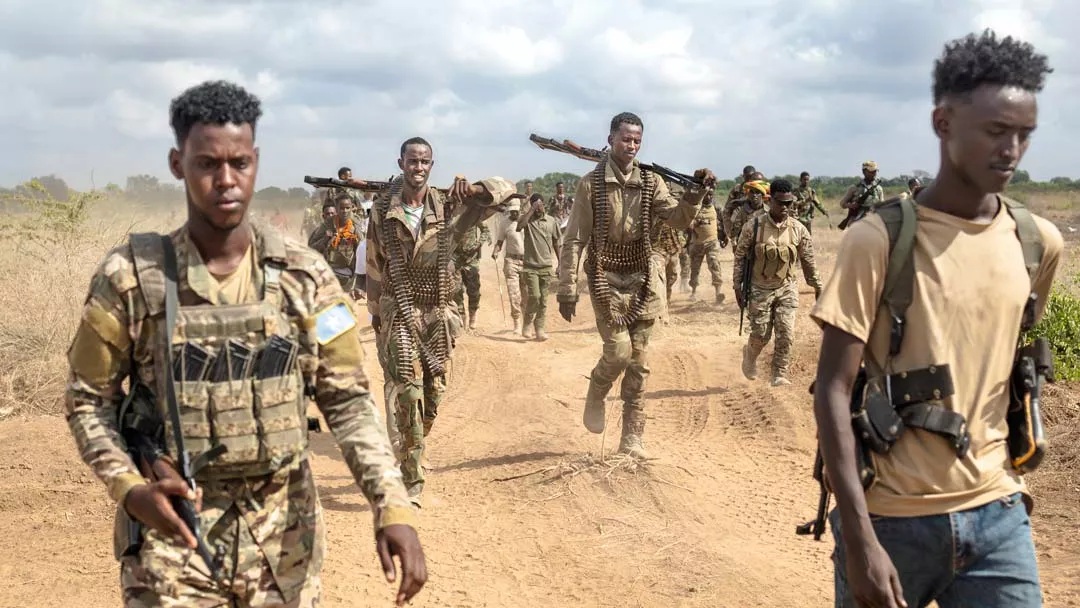
The disruption of commercial shipping by Houthi attacks has increased the importance of reliable ports, airfields, surveillance capabilities and maritime-security partnerships along the African side of the Red Sea.
Berbera is particularly important in this regard. The port has undergone major modernization and is increasingly connected to regional trade networks, including Ethiopia. Its location gives Somaliland a potential role in maritime surveillance, logistics, search and rescue, anti-piracy operations and the protection of commercial shipping.
Previous analysis has also highlighted Berbera’s strategic value because of its proximity to the Bab al-Mandab and its potential to provide international partners with an additional platform outside Djibouti.
President Irro appears to be pursuing a strategy in which Somaliland’s geopolitical importance strengthens its diplomatic case for recognition.
Rather than presenting recognition purely as a historical or legal question, Hargeisa increasingly has another argument: Somaliland can provide tangible strategic value to international partners.
The message is effectively that Somaliland has demonstrated its ability to maintain relative stability along an important section of the Gulf of Aden while offering infrastructure that can support international maritime-security efforts.
This approach could become particularly important as international powers reassess their security arrangements in the Red Sea.
For Somaliland, the argument goes beyond military cooperation.
International recognition could potentially open the door to greater foreign investment, security partnerships, diplomatic relations and access to international institutions. At the same time, deeper cooperation with international powers could strengthen Somaliland’s argument that it already functions as a responsible and strategically relevant state.
The Economist therefore presents Somaliland’s Red Sea strategy as part of a broader attempt by President Irro to turn international security concerns into diplomatic momentum.
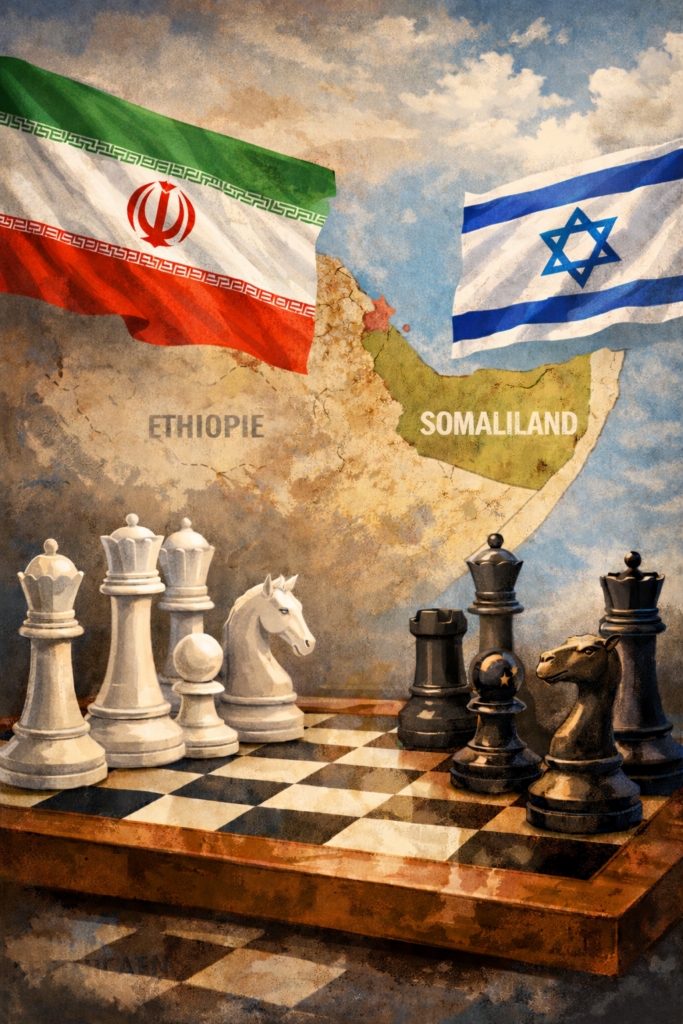
Somaliland’s growing relationship with Israel and its interest in cooperation with Western powers could place Hargeisa at the center of regional rivalries involving Iran, the Houthis, Turkey, Saudi Arabia, Somalia and other regional actors.
That makes careful diplomacy essential. Somaliland would benefit from presenting itself as a maritime-security partner rather than a military platform for any single regional bloc.
Its strongest argument may therefore be that a stable Somaliland can contribute to the protection of international shipping, combat piracy and maritime crime, and support regional trade while maintaining its own political interests.
The significance of The Economist article is less about whether Somaliland will immediately receive additional recognition and more about how the international perception of Somaliland may be changing.
For decades, Somaliland’s diplomatic campaign has largely focused on its history, self-governance and claim to independence. The Red Sea crisis provides Hargeisa with another powerful argument: Somaliland can be useful to the international community.
If Somaliland can demonstrate that its coastline, Berbera port, security forces and political stability contribute to protecting global commerce, recognition becomes not simply a question of Somaliland’s political aspirations but also one of international strategic interests.
The challenge for President Irro will be converting this growing strategic attention into concrete diplomatic gains while avoiding entanglement in the wider conflicts surrounding the Red Sea.
For Somaliland, however, the message is increasingly clear: its geography is no longer merely a feature on the map—it is becoming one of Hargeisa’s most important diplomatic assets.
Categories: Latest News








” The trade routes on the Red Sea has been a mess of late , with the shipping meanced by Houthis. Somaliland can help secuure strategic water way by offering military bases to global powers along its coast line”. [ The Economist August 22nd 2026].in an article titled “Irro’s gambit”, the Somaliland President reiterated his intention of helping the world secure Red Sea , He suggests ” that Somaliland could in effect, be the new Dijboubti that tiny port state raking large of money by renting slices of its coast line to foreign armies- America, China, France and others”.
The article suggests that Somaliland President is expected meet with with American President next month, in the US.